GLP-1 medications can take weight off fast, and some of that weight is muscle. Here is what research shows about strength training while you take one, what it does not prove, and how to start with your doctor's okay.
Why Muscle Matters When the Scale Goes Down
Some of the weight lost on GLP-1 medications is lean mass. A 2024 review in Diabetes, Obesity and Metabolism found lean mass made up 40 to 60 percent of weight lost in some trials and about 15 percent or less in others. Lean mass includes muscle, organs, bone and water, so it is not muscle alone.
Muscle is what carries the groceries, climbs the stairs and gets you up from a chair. Keeping it is the point of training while the scale goes down.
What a New Randomized Trial Found
In the T-REx trial, published in Nature Medicine in November 2026, 120 adults taking tirzepatide were split into two groups for 40 weeks. Those who added supervised resistance training three times a week lost a similar amount of fat but less lean tissue, and their strength went up while the other group's went down.
The training group lost 3.57 kg of lean soft tissue against 4.67 kg for the group that did not train, and 91 percent of the planned sessions were completed. It was one trial, with one medication and a three-day schedule, so results vary.
What Coached Strength Training Looks Like at Rock Solid
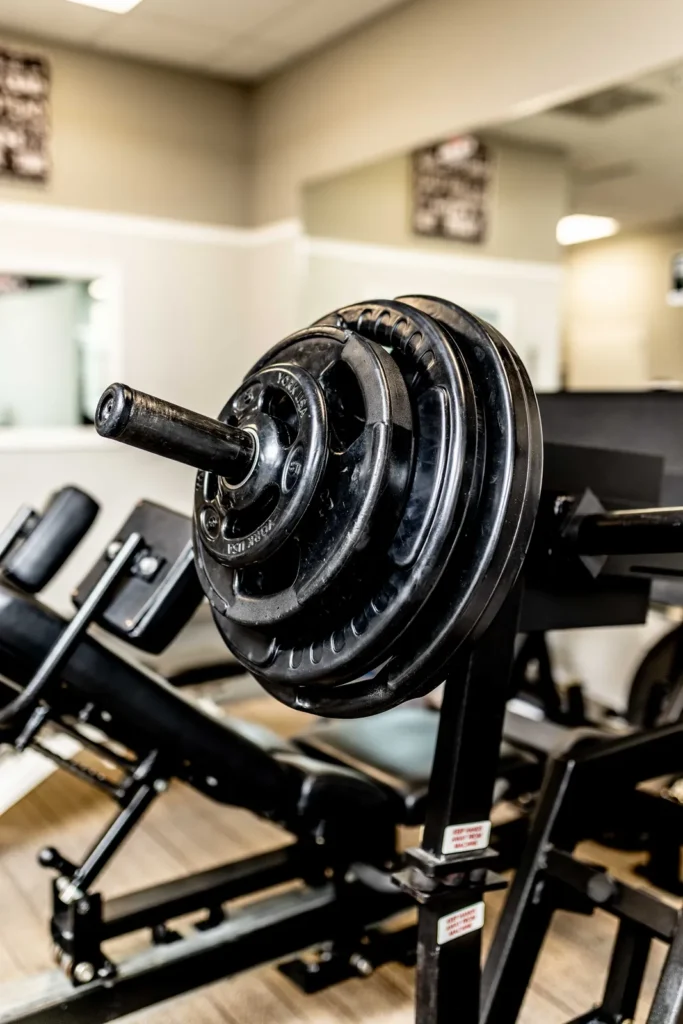
The CDC recommends muscle-strengthening activity on at least 2 days a week for adults. The T-REx trial used three supervised sessions a week. Rock Solid Fitness members train about 25 minutes, twice a week. No trial has tested 25-minute sessions on these medications, so we do not promise the same results.
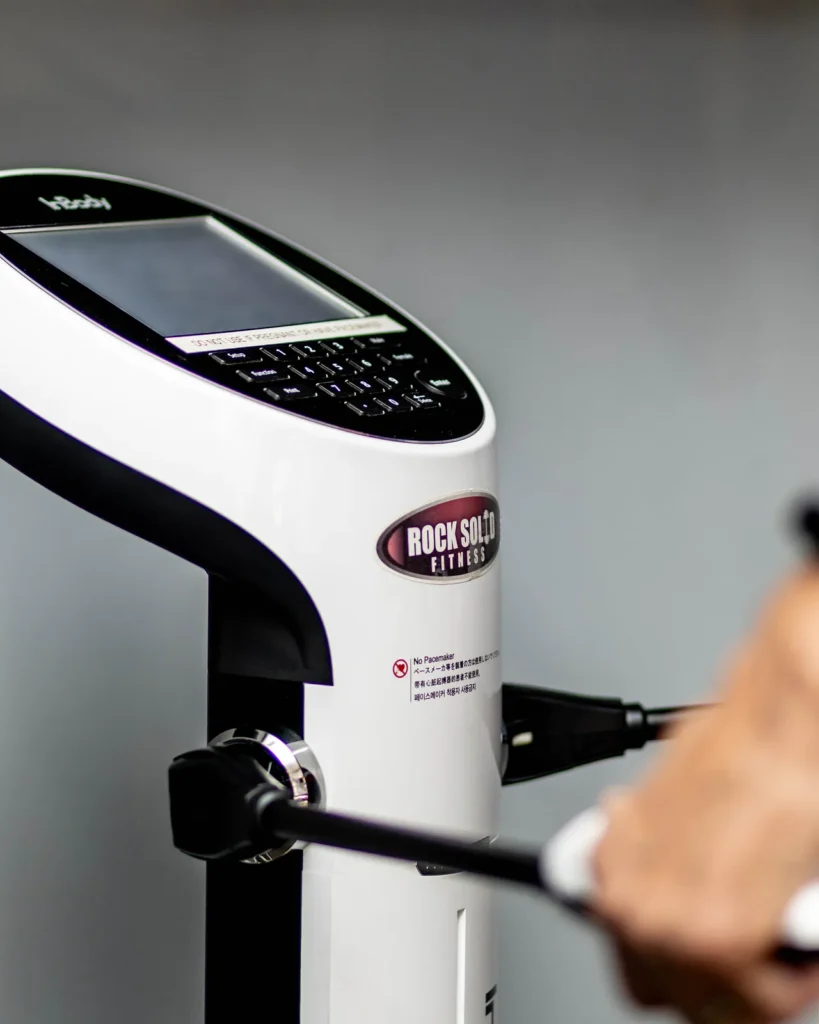
Your coach sets each machine, chooses every weight and adjusts the session to your energy that day. Members get an InBody 570 scan at their first paid session and regular check-ins after that, so you can watch muscle and body fat separately. The free introductory session does not include a scan.
Talk to Your Doctor First
Rock Solid Fitness does not prescribe, provide or advise on any medication. Your doctor manages that. We coach strength training alongside your medical care, and your coach adjusts each session to your energy that day. Talk with your doctor before you start any new exercise program, especially while your dose is changing.
Questions About Strength Training on a GLP-1
Can I still lift weights on a GLP-1?
Many people do, with their doctor's okay. In the T-REx trial, adults taking a GLP-1 medication did supervised resistance training three times a week for 40 weeks, and adherence to the training was 91 percent. Tell your doctor you plan to start, and tell your coach what you take.
Can GLP-1 medications cause muscle loss?
Research shows some lean mass is lost along with fat. Across the trials in a 2024 review, the share of weight lost as lean mass varied widely from study to study. Lean mass includes muscle, organs, bone and water, so a lean mass number is not a muscle number.
Is it possible to build muscle on a GLP-1?
In the T-REx trial, both groups lost some lean tissue, but the group that added resistance training lost less, and their bench press, lat pulldown and knee extension strength went up. The medication-only group got weaker. Results vary, and your doctor should guide your plan.
How much strength training should you do on a GLP-1?
Two to three sessions a week is the range the evidence points to. The CDC recommends muscle-strengthening activity on at least 2 days a week, and the T-REx trial used three. Rock Solid Fitness members train about 25 minutes, twice a week, and no trial has tested that exact schedule on these medications.
Do I need to change my medication to train?
No. Keep following your doctor's plan and tell your coach what you're taking. We do not prescribe or advise on medication. Your coach plans each 25-minute session around how you feel that week.
I'm tired a lot on my medication. Can I still train?
Yes, in most cases. Sessions are about 25 minutes, and your coach adjusts to your energy that day. Tell your doctor how you feel, and skip a session if your doctor says to.
Sources: Green et al., T-REx trial, Nature Medicine, November 2026. Neeland, Linge and Birkenfeld, Diabetes, Obesity and Metabolism, 2024. CDC. American College of Sports Medicine position stand on resistance training, 2009. This article is general education and does not replace your doctor's advice.
Try a Free 45-Minute Introductory Session
Your free session includes a conversation about your goals and health history, a studio tour, a coached workout and one membership recommendation.
Book My Free Session Or call or text (727) 282-1800