

Why Doesn’t Your Doctor Talk About This? Alternative to Drugs for Diabetes and More
I had a client who had been a Type 1 diabetic since she was a little girl. She was diagnosed with Type 1 Diabetes before we had a way to check blood glucose with a finger prick. In the 1950s, blood glucose was monitored with a urine test by matching colors on a strip and was not very accurate.
She lived through the advancements with blood sugar monitoring and delivery. From finger pricks to wearing an insulin pump, managing her blood sugar around the clock the way she had for most of her adult life. That is not a small thing, it is literally a matter of life and possible diabetic coma for her.
You see, Type 1 Diabetes does not respond to lifestyle changes that require willpower or diet tweaks. Unlike Type 2 Diabetes, Type 1 diabetes is an autoimmune condition where the pancreas stops producing insulin. Without insulin, glucose has no way into the cells, spiking your blood glucose levels, which can be a very dangerous health risk. So, when you are a Type 1 diabetic, you live by the numbers, every single day, for the rest of your life.
Adding Strength Training Into The Mix
When she started strength training with me, I was not thinking about her insulin pump. I was thinking about the same things I think about with every client, empowering and challenging her to be as strong and healthy as she could be by strength training safely and with her maximum effort.
After a few weeks, she shared that her blood glucose levels were dropping too much, something completely foreign to her. Neither of us thought about this happening and both of us could have expected it to if we just thought about the science for a moment. After all, she is a trained physician, and I understand the chemical responses of intense muscle contractions.
Her doctor figured it out with her and kept having to lower the dosage of insulin in her pump. Again and again. On the days she strength trained, her insulin was lowered by 50%. Her settings, fixed for years, were now being readjusted. I remember her being so excited, sharing with me that this could help save her from some of the dangerous complications of diabetes: amputation, loss of vision, and more.
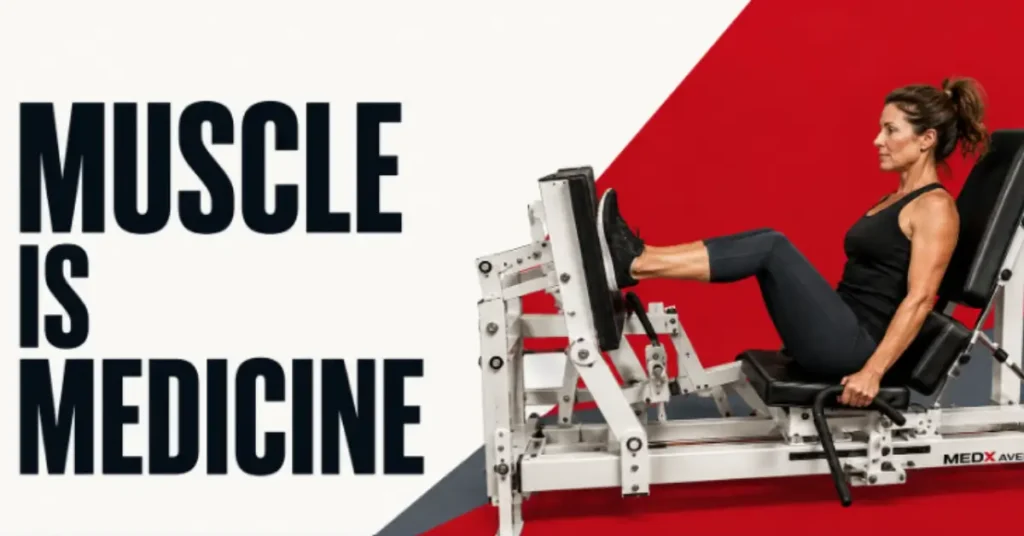
Muscle Is Medicine
Here is why. Contracting muscle tissue acts like insulin. When you load a muscle under real resistance and intensity, it pulls glucose directly out of the bloodstream and uses it for muscle fuel, without needing the hormone (insulin) to unlock the door. Your muscle does this on its own, every time it contracts hard enough. For a Type 1 diabetic, whose body cannot produce insulin, this was not a minor benefit. Her muscles were now doing the job her pancreas quit doing long ago. I have been in this field for over thirty years, and that is one of the most remarkable things I have ever witnessed in a client’s body.
And here is what frustrates me about the very field I am a part of. This is not a secret and yet the medical community, the Dr. you see and talks to you about your health, doesn’t talk about this, even if you are prediabetic or have diabetes!
The research on muscle tissue as glucose management has been building since the early 2000s. And yet, twenty-five years later, this still is not the conversation happening in most doctors’ offices. Someone gets a pre-diabetes diagnosis, or a Type 2 diagnosis, and what they hear about is medication, maybe a mention of diet, and if they are lucky, a passing suggestion to move more. Strength training, if it comes up at all, is an afterthought.
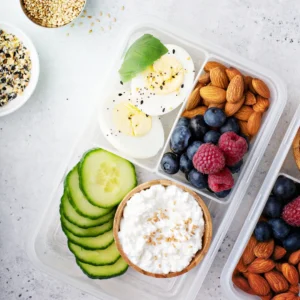
Even with the perfect workout routine, your results are determined by your habits outside of the gym. The 4 keys to optimal health are to train right, eat right, rest right, and manage your stress right. It takes a balance of all 4 to get your optimal health. If you are working out, but don’t have the results you are striving for, you may just need to tweak your habits outside of the gym. We have a series of tips to help you get on track with your goals without overcomplicating things.
Health Beyond The Scale
Empowering and challenging people to live their healthiest and best life is why I built High Intensity Safe Strength Training®. Not to help people chase a number on a scale, though that often happens too, but because I have watched, over and over, what happens when someone starts training with real resistance and real intensity.
I have seen this play out beyond this one client. Members who come in wanting to lose a few pounds walk out months later with their doctor adjusting their diabetes medication or getting off it altogether. No longer being a Type 2 Diabetic because of strength training and lifestyle changes. Not because they tried harder but because their muscle was doing exactly what muscle is built to do, pull sugar out of the blood and put it to its intended use.
I have also seen these same members reduce or omit medications for high blood pressure, anxiety, depression, chronic pain, and more by implementing High Intensity Safe Strength Training®. Not due to more willpower, but by being committed to new healthy habits and a smart strength training routine.
You do not need Type 1 Diabetes for this to matter to you. If you are managing Type 2 Diabetes or are prediabetic, insulin resistance, or you simply want to stay ahead of a family history that worries you, the mechanism is the same. Every time you contract a muscle under real load, you are giving your body a tool to regulate blood sugar that has nothing to do with a pill or pump. It is already built into you. It just needs to be used the way it was designed to be used, with the right intensity and the right progression, not a light stroll on the treadmill three times a week.
It is time the medical community starts talking about real change. I dream of the day your doctor pulls out their prescription pad and writes on it: Strength train safely and intensely twice a week for at least 20 minutes; Be active a minimum of 30 minutes every day; Get outside in the sun every day for at least 20 minutes; Get at least 6 hours of quality sleep every night; Eat nutrient dense foods; Drink at least 64 ounces of water. When this happens we will be moving towards prevention of diseases rather than prescribing for diseases.
If you are tired of hearing “move more” without anyone explaining why it actually works, I would love to talk with you about what safe, high intensity strength training could do for your numbers.